
Understanding Piles: Symptoms, Causes, and Treatment Options
· Updated
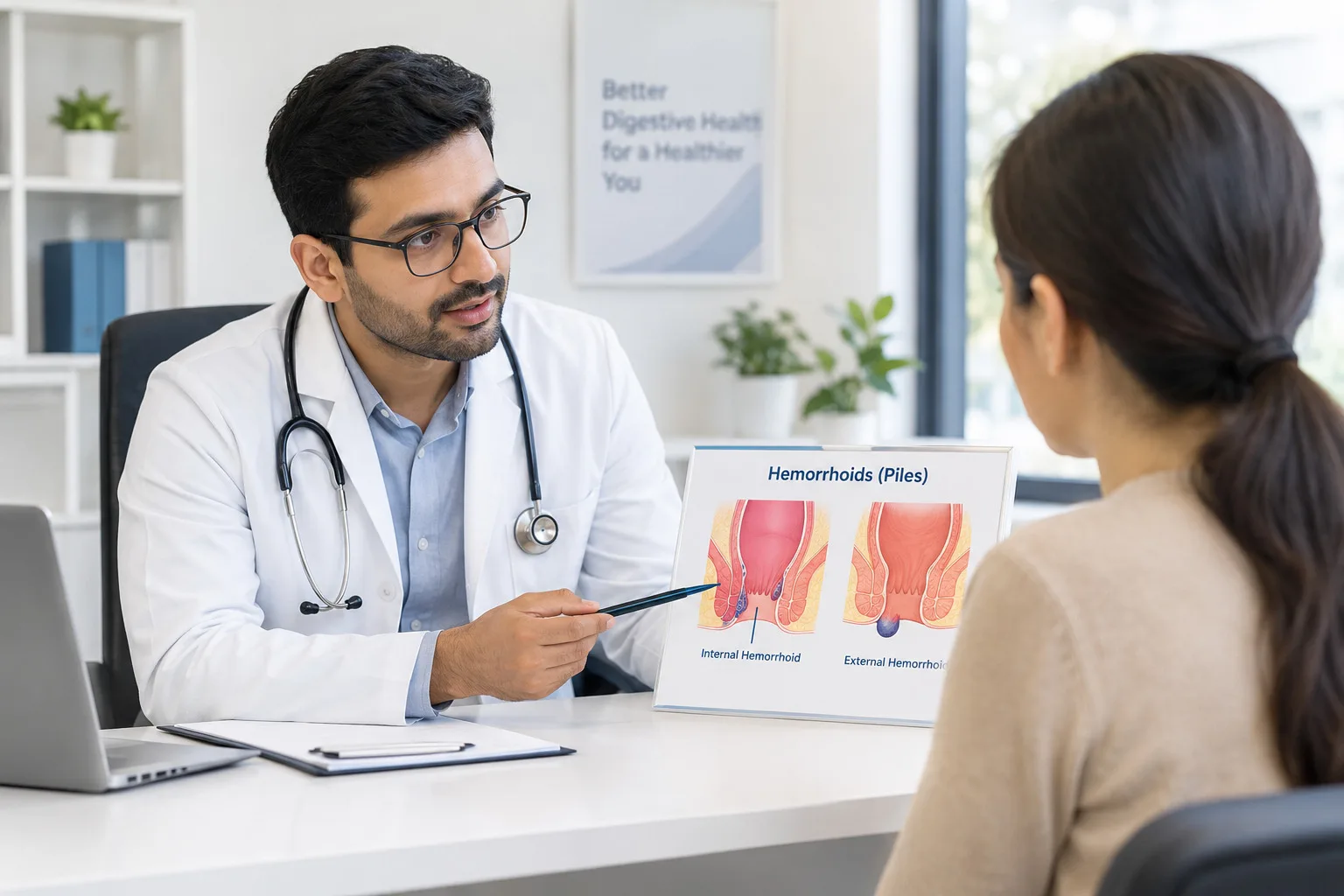
Learn about piles (hemorrhoids), including their common symptoms, causes, risk factors, prevention tips, and available treatment options. Discover when to consult a doctor for proper diagnosis and care.
# Understanding Piles: Symptoms, Causes, and Treatment Options
Piles, medically known as hemorrhoids, are a common condition that affects the blood vessels in and around the anus and lower rectum. Although many people feel uncomfortable discussing this condition, understanding its symptoms and treatment options can help them seek timely medical care.
## What Are Piles?
Piles develop when blood vessels in the anal or lower rectal region become swollen. They are generally classified into two types:
- **Internal piles:** These develop inside the rectum and may cause painless bleeding during bowel movements. - **External piles:** These develop under the skin around the anus and may cause pain, swelling, itching, or discomfort.
The symptoms and severity can vary from person to person.
## Common Symptoms of Piles
The symptoms of piles may include:
- Bright red blood during or after passing stool. - Itching or irritation around the anus. - Pain or discomfort, particularly with external piles. - Swelling or a lump around the anal opening. - A feeling of incomplete bowel emptying in some cases.
Rectal bleeding should not automatically be assumed to be caused by piles. A medical evaluation is important to identify the underlying cause.
## What Causes Piles?
Several factors can contribute to the development of piles, including:
- Chronic constipation and straining during bowel movements. - A diet low in dietary fibre. - Sitting on the toilet for extended periods. - Persistent diarrhoea in some cases. - Pregnancy and increased pressure in the pelvic region. - Age-related changes in the supporting tissues around the rectum.
Addressing contributing factors can help reduce symptoms and the likelihood of recurrence.
## How Can You Prevent Piles?
Healthy daily habits can help reduce the risk of piles and relieve symptoms.
**Eat a fibre-rich diet:** Include fruits, vegetables, whole grains, beans, and other fibre-rich foods in your meals.
**Drink adequate water:** Maintain good hydration to support normal bowel movements.
**Avoid straining:** Do not force bowel movements or ignore the natural urge to use the toilet.
**Stay physically active:** Regular physical activity can support healthy digestion and bowel function.
**Avoid prolonged toilet sitting:** Spend only the time needed on the toilet and avoid unnecessary straining.
## Treatment Options for Piles
Treatment depends on the type and severity of the condition. Mild symptoms may improve with dietary changes, adequate hydration, avoiding straining, and warm sitz baths.
A doctor may recommend medication for short-term symptom relief when appropriate. If symptoms persist or piles are more advanced, minimally invasive procedures or surgery may be considered.
Treatment should be selected after a proper medical examination rather than relying solely on self-diagnosis or home remedies.
## When Should You Consult a Doctor?
Consult a qualified healthcare professional if you experience rectal bleeding, persistent anal pain, a lump around the anus, or symptoms that do not improve with basic lifestyle changes.
Seek urgent medical attention for heavy or ongoing bleeding, dizziness associated with bleeding, or severe anal pain.
## Conclusion
Piles are a common condition, and effective management is possible with appropriate care. Recognizing the symptoms, maintaining healthy bowel habits, and seeking medical advice when necessary can help prevent complications and improve quality of life.
If you are experiencing symptoms of piles, consult a qualified healthcare professional for an accurate diagnosis and a treatment plan suited to your condition.
**Medical disclaimer:** This article is intended for general educational purposes only and should not replace professional medical advice, diagnosis, or treatment.
- Piles
- Hemorrhoids
- Piles Symptoms
- Piles Treatment
- Piles Causes
- Digestive Health
- Proctology
- Constipation
- Anal Health
Reviewed By

Dr. Deep Prajapati
B.A.M.S., M.S